
Understanding H. pylori
What is H. pylori?
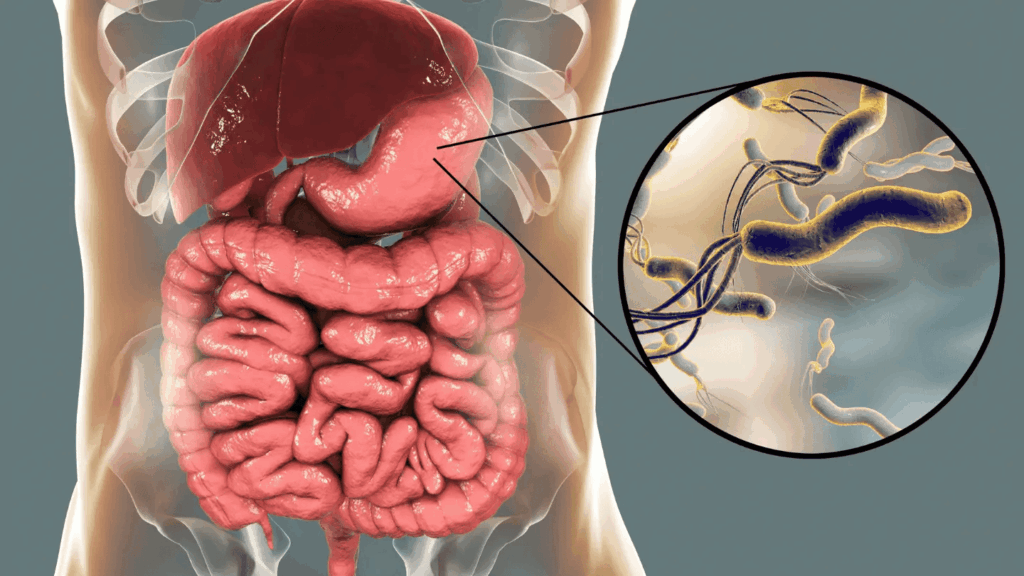
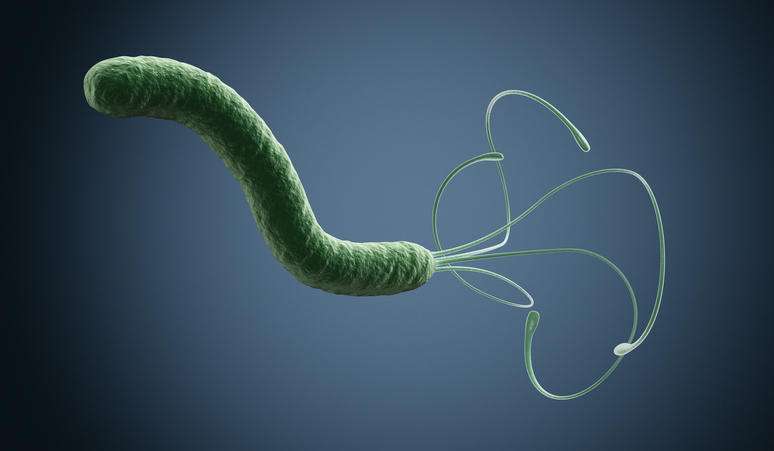
Helicobacter pylori (H. pylori) is a type of bacteria that infects the stomach lining. It is one of the most common bacterial infections worldwide, affecting nearly half of the global population. Unlike most bacteria, H. pylori has a unique ability to survive in the highly acidic environment of the stomach, making it particularly persistent
How Does H. pylori Affect the Body?
Once inside the stomach, H. pylori can disrupt the protective mucous lining, leading to inflammation (gastritis) and, in some cases, ulcers—open sores in the stomach or the upper part of the small intestine (duodenum). In rare cases, long-term infection with H. pylori has been linked to stomach cancer and other serious complications.
Symptoms of H. pylori Infection
Many people with H. pylori infection experience no symptoms. However, when symptoms do occur, they may include:
Burning pain in the upper abdomen (especially when the stomach is empty, such as between meals or at night).
Persistent bloating and discomfort.
Nausea or vomiting.
Frequent burping or acid reflux.
Loss of appetite or unintentional weight loss (in severe cases).
Symptoms can range from mild to severe, depending on the extent to which the infection affects the stomach lining.
How is H. pylori Transmitted?
H. pylori is primarily spread from person to person, typically through:
Saliva and close contact (e.g., kissing or sharing utensils).
Contaminated food and water (especially in areas with poor sanitation).
Unwashed hands (after using the restroom or before preparing food).
Most infections occur during childhood, but the bacteria can persist in the stomach for years if left untreated.
Why is Understanding H. pylori Important?
Many people carry H. pylori without symptoms, but for those affected, early diagnosis and treatment can prevent complications such as ulcers and, in rare cases, stomach cancer. Good hygiene, such as washing hands frequently, avoiding contaminated food and water, and not sharing eating utensils, can help reduce the risk of infection.
By understanding H. pylori, its effects, and the importance of treatment adherence, individuals can take proactive steps toward better digestive health.